Digestion in Workout Homeostasis
Timed selective nutrition as homeostatic workout tactic
Pre-workout selective nutrition
From bib. source
Before exercise and during exercise it is important that the athlete eat food that is easy to digest and requires less intestinal blood flow.
That is to say, it is recommended that–if there is to be food before or during workout–the food be light and easy for digestion (LeMond 2015, 12). The reason for this is that the energy needs of the digestive tract during digestion compete with the energy needed for the exertion of exercise, and the body tends to favor allocating fuel and reactants to the physical exertion of exercise (Ibid):
From bib. source
The adult human digestive tract is about 30 feet in length. […] the digestive tract is continually contracting to squeeze food on its way (peristalsis). This contracting and squeezing is performed by involuntary smooth muscle and requires energy and oxygen. When athletes begin exercising, blood is shunted more towards the skeletal muscles and less to the digestive tract.
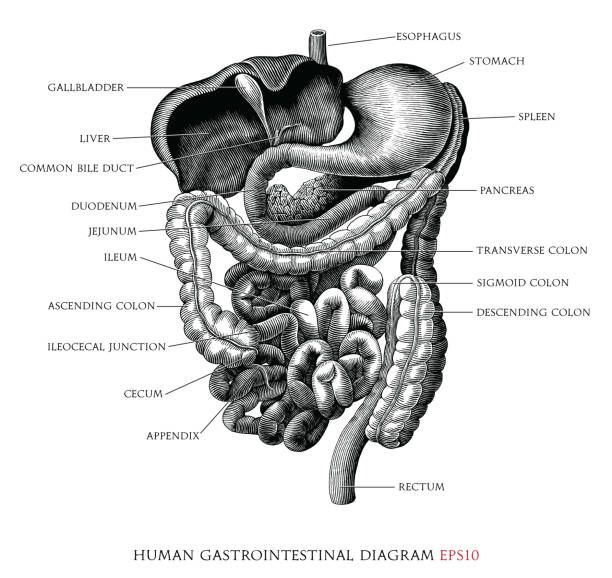
However, precisely due to the body’s aim of homeostasis, this leads to effects that motivate particular behaviors in response. The effects are (Ibid):
From bib. source
[…] abdominal cramps and indigestion, which can improve with training and well-timed nutrition, but can worsen with extreme exercise duration and dehydration.
Anti-exercise homeostatic tactics
A common behavior in response to these effects may actually be avoidance of exertion. This may be why we see people more likely to remain at everyday activity levels of exertion, if not dip below usual everyday exertion levels, by laying down, napping, etc., after eating. In fact, sometimes rest may happen involuntarily through a food coma, that is akin to a hibernating state but that is typically not beneficial in the long-run.
A way of ensuring homeostasis that does not interfere with an exercise routine or schedule but may in fact add to it, and that is, as aforementioned, eating food that is easier to digest and thus does not need as much fuel or reactants to do so (Ibid).
The nutrients in food easiest for digestion are carbohydrates such as sugars, starches or grain (LeMond 2015, 13):
From bib. source
That is because digestion of carbohydrates begins right away, when food is still being chewed in the mouth. Saliva contains mainly water, but also lubricating mucous, antibacterial IgA and lysozymes, and digestive enzymes. One enzyme, amylase, converts the starch in bread into sugar. […] Sugar is further broken down into simple sugars such as glucose and fructose (by the enzyme sucrase) and is rapidly absorbed into the blood stream along the remainder of the gastrointestinal tract.
Further, carbohydrates are important as facilitators of, or “accelerants¨ for, hydration (Ibid):
From bib. source
[g]lucose is hydrophilic (water attractive) so when one molecule of glucose is absorbed, 6 molecules of water come along with it.
Hence why a sports drink–which typically contains sugars–can re-hydrate people faster than plain water (Ibid). It makes absorption of water faster (Ibid). However (Ibid):
From bib. source
So it is important to avoid getting at any point during an exercise where one has depleted the available immediate fuel supplied by digestion of carbohydrates, as each re-supply causes a blood sugar spike that activates the blood sugar regulatory system (i.e., insulin) (Ibid). We do not want this to happen at high levels with high frequency because it could bump up against cells becoming “resistant to the insulin signal¨ the pancreas releases to take up glucose for storage, leaving blood glucose levels high for longer periods (LeMond 2015, 14). This is known as type 2 diabetes (Ibid). High levels of glucose circulating for long periods of time is bad as (Ibid):
From bib. source
All of this is why it is more efficient and safer to either spread out small portions of carbohydrates throughout an exercise session, or, perhaps (LeMond 2015, 13):
From bib. source
[…], a better plan is to eat whole grains which slow and moderate the absorption of carbohydrates, allowing for a more constant source of fuel and less extreme spiking of blood glucose and insulin.
Whole grains
Acidic foods and ease of digestion
Pre-workout low-calorie highly carb-concentrated whole grain foods and sweets
Whole grain concentrated carbohydrate low-calorie foods or foods with low to moderate sugar levels that may be accompanied by edible acidity and may or may not contain some moisture are good to consume pre-workout.
Post-workout selective nutrition
The key to nutrition after a workout is that it should be enough carbohydrates “to top off glycogen stores, yet not cause increase in body fat¨ (Ibid). At that point, it does not necessarily matter as much whether the given meal involves higher proportion of whole grains or not, but portion control should be relative to calories per unit volume of the food.
However, other nutrients may become relevant after a workout. For example, protein (LeMond 2015, 14):
From bib. source
The building blocks of protein (amino acids) are what the intestines can absorb and what builds new muscle.
Presumably, after the wear and tear of an exercise, or the new demands of a periodic exercise, on muscle, repair and growth would be benefited by the digestion of protein.
Any meat contains protein, of course, “but also many essential vitamins and minerals such as iron¨ (Ibid). Read meat in particular has a “form of iron that can be absorbed better than plant or pill sources of iron¨ (LeMond 2015, 14). These are all additional incidental benefits from sourcing protein from meat. And while “meat is harder to digest and takes blood away from working muscles,¨ that is exactly why especially meat sources of protein should be consumed after workout (Ibid).
However, a downside of using meat as a protein source is that, due to modern industrial animal husbandry and modern commercial food preservation, it tends to also come with saturated fats, steroids, growth hormones, and antiobitics (Ibid).
On balance, while it is a convenient source of protein post-workout, meat, especially red meat, is very difficult and takes long to digest. So, while how often it is used as a post-workout food depends on the frequency of workouts, ideally maximum meat consumption should have a rather low ceiling. To put it simply, “red meat does not have to be eaten everyday¨ (Ibid). For an everyday source of protein–so long as good portion control is used–it may be best to take recourse to protein-rich vegetables, fruits or edible mushrooms. This is especially so given the aforementioned downsides of meat and especially red meat.
Post-workout occasional (red) meat but otherwise botanical or fungal protein sources
Occasional semi-weekly to monthly (red) meat consumption post-workout, with daily vegetable, fruit or edible mushroom protein sources. If possible, get meat that lacks the downsides of saturated fat, and of having by raised via growth hormones or steroids.
Concurrent hydration as homeostatic workout tactic
Other implied tactics in our homeostatic strategy would be hydration (i.e., drinking water) before and during exercise; after all: “[…] fluid losses and the need to keep blood flowing to both the muscles and intestines are reasons to stay well-hydrated during exercise¨ (LeMond 2015, 12-13). This is especially because (LeMond 2015, 12):
From bib. source
Eureka
In more detail, increased water fluids in the digestive tract increase dilution of nutrients in it and reduce friction during peristalsis (i.e., the muscle contractions of the intestines).
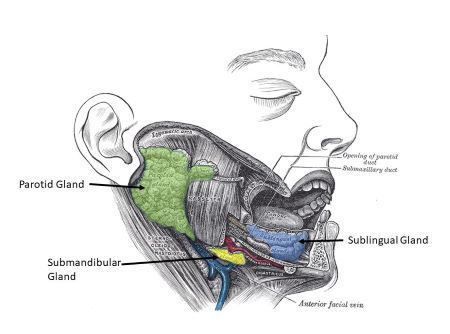
Hydrating corrects for the dehydration that increases during exercise given that (Ibid):
From bib. source
[t]he rapid breathing during exercise dries the mouth with evaporation […] and perspiration through the skin causes loss of water and salt.
Water consumption increase over time
This increase in dehydration over time during the exercise implies that, insofar as hydration would be the counteracting force, hydration should increase over time during the exercise. This means workouts should involve more and more water per drink as one approaches the end of the workout. Perhaps one could even finish off with a water splurge.
Hydrating food as food competition tactic
The role of fluids in ease of digestion may explain why in food competitions, one tactic has been to douse, dunk or drench the given food in water prior to mastication and swallowing.
Pre-workout hydration session and workout-concurrent interval hydration
Drink high levels of water before working out, and then sip smaller amounts of water periodically in-between periods of exertion in the workout.
Summary of homeostatic strategy
In sum, the homeostatic strategy for workouts is the following (LeMond 2015, 14):
From bib. source
athleticism sports_science digestive_system endocrine_system gastroenterology endocrinology digestive_tract smooth_muscle involuntary_muscle involuntary_smooth_muscle abdominal_cramp abdominal_cramps overexertion ethology rest reactant tactic muscle_contraction contraction myology fluid intestine muscles fluid food_competition food_competitions hibernation food_coma carbohydrate sugar starch salivary_gland salivary_glands gastric_acid lysozyme enzyme immunoglobin_A sIgA blood_stream blood_flow gastrointestinal_tract fats body_fat adipose_tissue blood_sugar_regulatory_system whole_grain whole_grains wild_rice type_2_diabetes diabetes nerve organ vessel blood_vessel portion_control amino_acid amino_acids acid vitamin mineral muscles iron BEAST_fitness_system BRATS_fitness_system cereals protein_shake protein_shakes sports_drink sports_drinks red_meat animal_husbandry hormone steroid saturated_fat saturated_fats growth_hormones growth_hormone vegetable mushroom fruit biology metabolism biochemistry physiology medicine anatomy tophology diet semiotics biosemiotics signal
bibliography
- “The Human Machine.” In The Science of Fitness: Power, Performance, and Endurance, 9–38. Waltham, MA: Academic Press, 2015.