Fat Digestion
From bib. source
When you eat a fatty meal, the pancreas releases digestive enzymes (lipases) and the gallbladder contracts and releases bile into the duodenum. The bile forms micelles which are tiny fat droplets that the intestines can absorb. This is also important in the absorption of fat soluble vitamins (A, D, E, and K).
In sum, the steps for digesting fats are as follows (LeMond 2015, 15):
- The pancreas releases a type of enzyme called a lipase. It releases many lipases in fact.
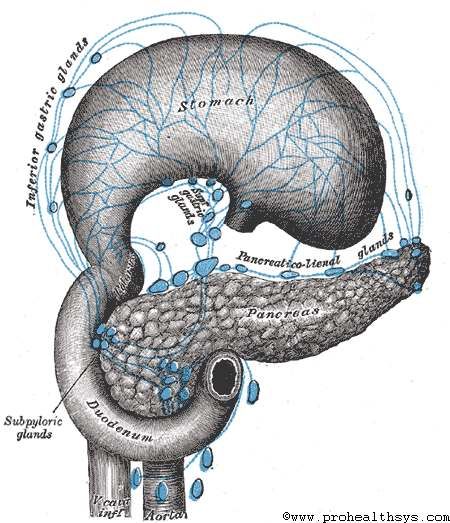
- The gallbladder, which sits in-between the liver and pancreas, contracts to release bile into the duodenum (i.e., the first section of the small intestine in vertebrates)
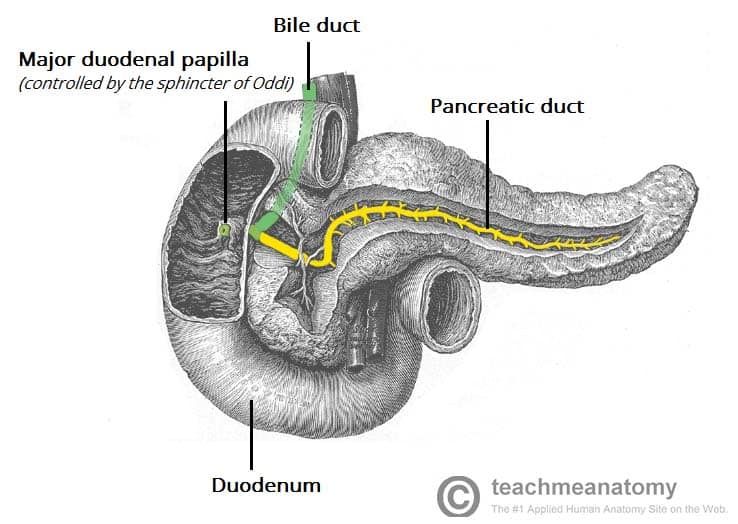
- The bile (or gall) released into the duodenum forms fats into tiny droplets, called micelles, that allow absorption into the intestines.
- The intestines then absorb the micelles or the fat in the micelles.
Fat soluble vitamins and the role of fat
The importance of digesting fat–aside from it being biofuel and aiding portion control–is that vitamins that are fat soluble (or lipophilic) are easier to be absorbed and retained if ingested along with fat (Ibid). Which is yet another reason it can be useful to eat with meat, which typically contains vitamins. Examples of fat soluble vitamins are:
- Vitamin A
- Vitamin D
- Vitamin E
- Vitamin K
soluble_fat soluble_fats vertebrate small_intestine micelle biofuel lipophilia meat vitamin_A vitamin_D vitamin_E vitamin_K lipophilic_vitamin lipophilic_vitamins fat_soluble_vitamins fat_soluble_vitamin grease biology biochemistry digestion digestive_tract digestive_system gastrointestinal_tract intestine
bibliography
- “The Human Machine.” In The Science of Fitness: Power, Performance, and Endurance, 9–38. Waltham, MA: Academic Press, 2015.