Role of Biofuel Reserves in Fitness
From bib. source
Body fat was once considered just a means of caloric energy storage and the bane of overweight athletes. But recent studies have shown that body fat is much more complex and dynamic having key roles in basal metabolism, temperature regulation, energy reserves for endurance athletes, and as the main fuel for the heart.
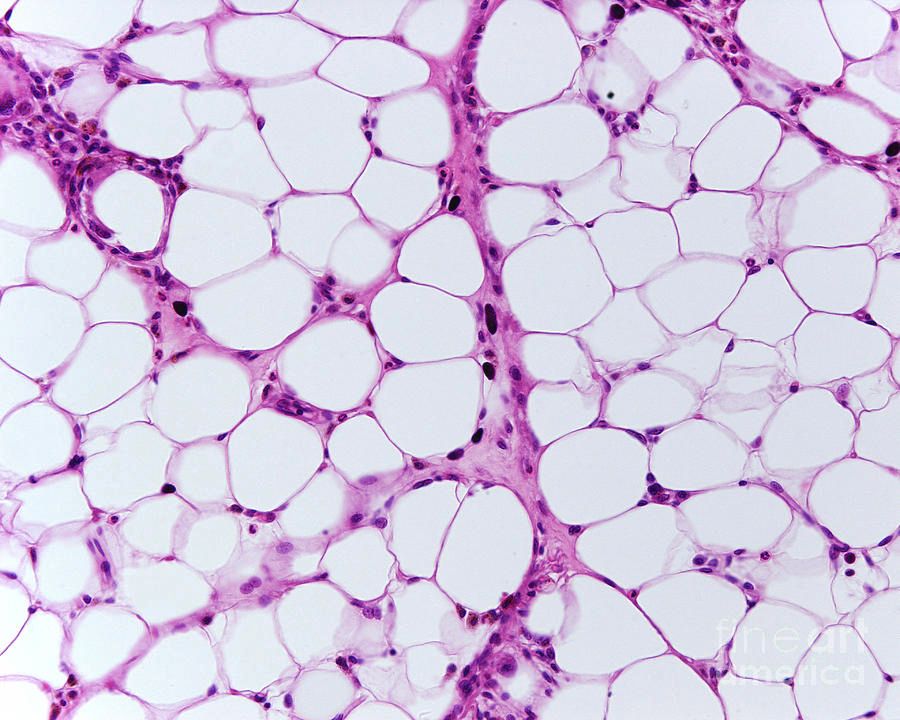
That is, body fat–that is to say, adipose tissue–has many different functions and roles such as (LeMond 2015, 18):
- Cardiac fuel (i.e., as a primary source of fuel for the heart)
- Energy reserves (benefiting muscle movement endurance)
- Temperature regulation, or modulating the basal metabolic rate (i.e., the energy expended while at rest) (BMR)
Not all fat is body fat
Body fat is just a type of fat–subcutaneous (“below the skin”) fat. There’s other fat as well, such as that found in and around connective tissue.
Biofuel Amounts and Biofuel Allocation
A measure of body fat can be a way of gauging the ability to fulfill these functions. While BMI, i.e. body mass index, is “[a] common way to measure body fat” and “is easy to measure, track, and compare,” fat percentage remains a better measure as BMI “has several limitations” such as (Ibid):
- Not directly measuring percent body fat given it assumes excess body weight is equivalent to fat
- Failing to account for age-based muscle mass loss that may allow substitution of its weight contribution by body fat
- Failing to account for where fat is distributed on the body, instead assuming all fat can be counted as body fat (fat surrounding the abdominal organs is correlated with greater health issues)
All of these disadvantages and limitations of using body mass index are related to the way the allocation of fat to a specific bodily location relates to the function it is fulfilling. For example, “the heart muscle derives most of its fuel from body fat,” i.e. subcutaneous fat, as it is an energy source that is “more steady and reliable […] compared to sugar” (LeMond 2015, 19). After all, the heart cannot afford to cease its muscle contractions for any extended length of time. This is also why fat more generally is recognized for its endurance benefits.
Nonetheless, the way that body mass index (BMI) is calculated is by dividing the weight (usually in kilograms) by the square of the height (usually in meters) of the given person (LeMond 2015, 18):
The resulting quotient is then assessed based on “standard weight status categories” “[f]or adults 20 years old and older” of any gender (LeMond 2015, 18-19):
| BMI | Weight status |
|---|---|
| Underweight | |
| Normal | |
| Overweight | |
| Obese | |
| It is important to keep in mind that, while being obese or overweight or underweight leads to higher mortality in populations than being normal weight, weight status as a whole is less related to population-level mortality than fitness level (LeMond 2015, 19): |
From bib. source
[…]: one’s fitness level is a better determinant of health (lower mortality) than being overweight (less effect on mortality); thinness can have a negative effect on health (increasing mortality); […]
Part of the reason for obese or overweight weight status increasing mortality, after all, is that it can “increase insulin resistance and lead to metabolic syndrome and type 2 diabetes”–that is, it is symptomatic of frequent activation of the blood sugar regulatory system to allocate glucose from the circulatory system as glycogen in fat tissue (LeMond 2015, 20).
In addition (Ibid):
From bib. source
[…] when an overweight person begins to exercise, there are measurable improvements and health benefits independent of weight loss.
Indeed, “fat burning takes place in our mitochondria, so exercise is the best way to keep body fat in proper balance and proportion” (LeMond 2015, 19).
Recommended fat percentage tracking while exercising frequently with graduated carbohydrate consumption/absorption
Based on all this, exercising frequently while controlling consumption or absorption rate of carbohydrates and sugars is recommended, as is, if possible, tracking of fat percentage. Amount of carbohydrate calories and frequency of exercise should have a direct relationship.
Fat Types in Thermic Homeostasis
However, regardless of whether one goes by fat percentage or by body mass index when measuring fat content of the human organism, the contribution to some functions or roles over others of the given fat depends on the proportion or ratio of differently-constituted fat tissue, and not just on its amounts and relative bodily allocation.
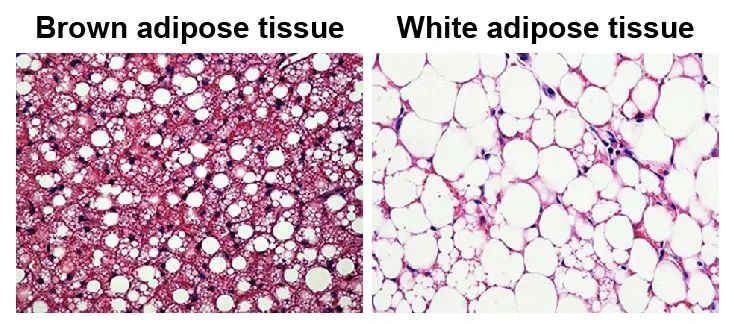
For example, brown fat or brown adipose tissue, typically present in babies, small rodents and hibernating bears, has been found to negatively correlate with obesity risk the higher its ratio to other kinds of fat (Ibid). Brown adipose tissue has a high concentration of “heme iron” from the density of mitochondria in it–this heme iron is what makes the fat have a brown color (Ibid). These highly concentrated mitochondria can “uncouple the proton gradient […]” “[…] that powers the generation of ATP […]” “[…] to generate pure body heat instead” (LeMond 2015, 19-20). Hence, brown adipose tissue “is a major component of body temperature regulation and basal metabolism” (LeMond 2015, 20). Consequently, brown adipose tissue–body fat–is the type of fat that most easily expends calories even at rest.
Recommended minimization of absolute body fat quantities, and relative brown fat quantities
Based on all this, it would seem important, when gaining fat, to ensure that this fat is subcutaneous brown fat since the amount of mitochondria one possesses is important to overall fitness. Theoretically, the increase of activity in cold environments might, for homeostatic, either condition the body to build up more brown fat or lead the body to convert more weight fat to brown fat to increase capacity to regulate temperature. Other tactics may be attempted to implement this strategy.
biology physiology body_fat body_fats athleticism sports_science BEAST_fitness_system BRATS_fitness_system adipose_tissue basal_metabolic_rate basal_metabolism temperature_regulation subcutaneous_fat fat_percentage brown_fat brown_body_fat brown_adipose_tissue brown_subcutaneous_fat heme_iron negative_correlation circulatory_system weight_status biofuel bio-fuel carbohydrate sugar blood_sugar_regulatory_system ATP body_heat endothermia body_temperature
bibliography
- “The Human Machine.” In The Science of Fitness: Power, Performance, and Endurance, 9–38. Waltham, MA: Academic Press, 2015.