Relative Hue and Shadows
From “Lighting Fundamentals¨ in Light for Visual Artists
[…] in strongly coloured lighting, shadows took on the complementary hue of the predominant colour […]
This is an optical illusion according to Benjamin Thompson, a.k.a. Count Rumford (Yot 2020, 62). What this points out is that the color (really, predominant electromagnetic wavelength) of light affects the hue expressed by a pigment that is under cast shadow (Ibid). More specifically, it affects the fill light of the cast shadow. And it affects it such that the hue of the cast shadow’s hue is complementary to the color of the associated cast light (Ibid).
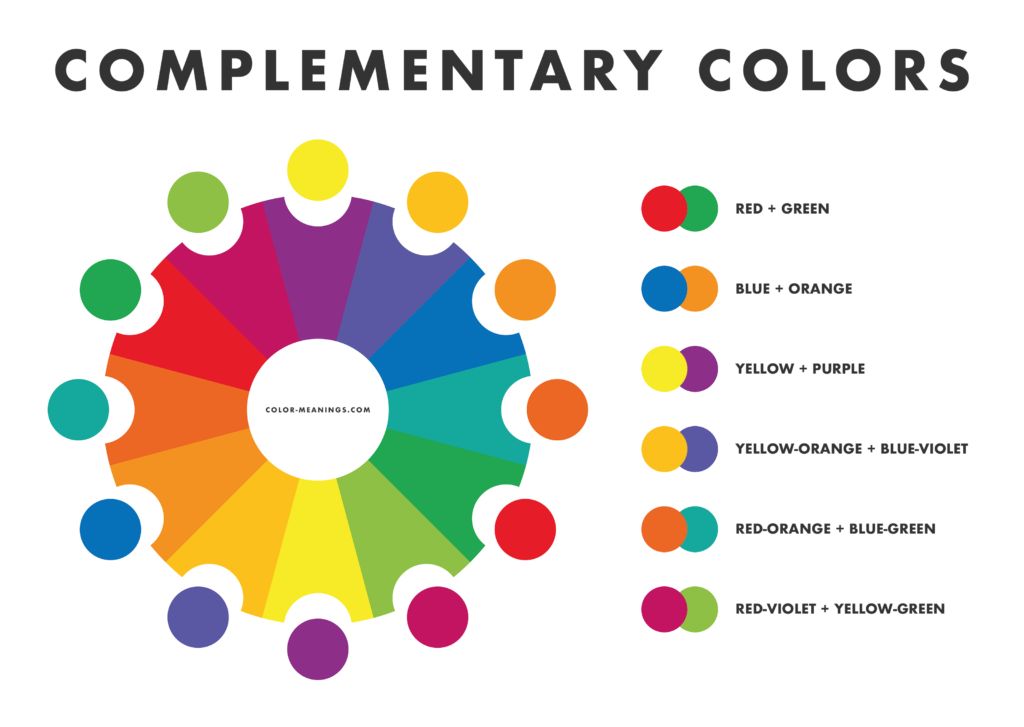
Nonetheless, while “there are many physical factors affecting the colour of shadows,¨ the color of the ambient light in an environment–which in a natural setting would typically be the color of the diffused light of the sky–has “a much greater effect on shadows than will optical effects,¨ such as optical illusions, “that […] take place in our minds¨ (Ibid). Just make sure shadows have some level of color, even whilst dark, as “colourful shadows will lend a lot of life and realism to an image¨ (Ibid).
Summary
optical_illusion electromagnetic_spectrum electro-magnetic_spectrum electromagnetic_radiation electro-magnetic_radiation electro-magnetism pigmentation fill_light cast_shadow cast_light ambient_light optical_illusion diffusion skylight optics colors colours psychology cognitive_psychology cognitive_science perception visual_perception visual_illusion Benjamin_Thompson Count_Rumford psychology psychology_of_art social_science
bibliography
- “Lighting Fundamentals.” In Light for Visual Artists: Understanding and Using Light in Art & Design, 2nd ed., by Richard Yot. Laurence King Publishing, 2020.