Lighting Levels
From “Lighting Fundamentals¨ in Light for Visual Artists
Any visibility exists by virtue of the light cast on surfaces, and the shadow or shading expressing merely the absence or relative deprivation of this light from these surfaces. This does not mean the quantity of dark areas should be equal to the quantity of illuminated areas in an image, as the universe is more often dark than illuminated, but what it does mean is that the relative differential that comprises the contrast between darker and lighter areas must be balanced as, darkness being the mere deprivation of light, its perceived depth is relative to the brightness of the extant directional light.
High-Key v. Low-Key Lighting
There are two abnormal lighting scenarios that break this rule. The first results from the brightness of given directional or ambient light in an image being so high that even the opportunity for the deprivation of such light is diminished, leaving any shading or shadows relatively illuminated themselves. This means diminished contrast, due to either:
- The color cast from the ambient light predominating and overpowering any other directional light
- The directional light’s proximity to and enveloping of the given scene that it practically acts as ambient light but much brighter than would be typical of ambient light
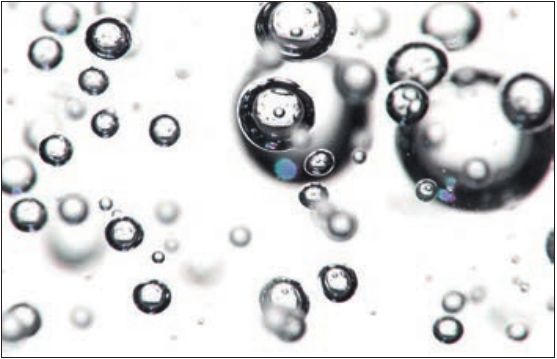
An image that is of this nature when it comes its lighting is called a high-key image (Yot 2020, 14):
From “Lighting Fundamentals¨ in Light for Visual Artists
High-key images have a predominance of white or very light tones and tend to look light and airy. High-key is often (but not always) soft, and detail is generally low.
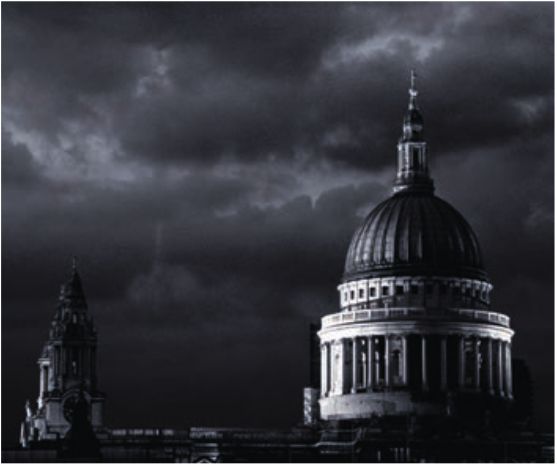
The opposite of a high-key image is a low-key image, possessing high contrast that makes shadows and shading have sharper and less fuzzy/blurred edges despite the image as a whole being overall darker, hence having a reduced color range for relatively illuminated areas, whether due to ambient light or very distant directional light. In sum (Ibid):
From “Lighting Fundamentals¨ in Light for Visual Artists
Low-key images have very little light in them. Contrast is usually high and the lighting is hard.
low-key_lighting high-key_lighting visual_art low-key_image high-key_image low-key_images high-key_images tonal_value tonal_values edge ambient_light directional_light directional_shadow illumination optics shade shadow blurriness sharpness render rendering
bibliography
- “Lighting Fundamentals.” In Light for Visual Artists: Understanding and Using Light in Art & Design, 2nd ed., 9–116. London, UK: Laurence King Publishing, 2020.