Directionality in Directional Light
Control over the direction of light can help set the mood or tone of a scene.
Three-Point Lighting
From bib. source
A commonly taught lighting technique is the classic three-point lighting set-up, […]
Three point lighting involves (Yot 2020, 16):
From bib. source
[…] a bright light coming from one side, dim fill light coming from the opposite side, and a back light behind the subject, which is used to pick out edges and highlight form.
The biggest problem with this set-up is that it is artificial and doesn’t reflect reality.
In other words, three point lighting is comprised of:
- A backlight for highlighting edges, which goes towards
- A side light to create elongated, contrasting shadows
- A dim light for allowing gradients of shadow or light (this light is applied opposite the side light)
This kind of lighting may be perceived to give a cinematic effect as the three point lighting technique (Yot 2020, 16):
From bib. source
[…] arose […], before the availability of larger, softer lights when lights were hard with sharp shadows. The early days of computer graphics were faced with the same problem because large, soft lights were to slow to render, […]
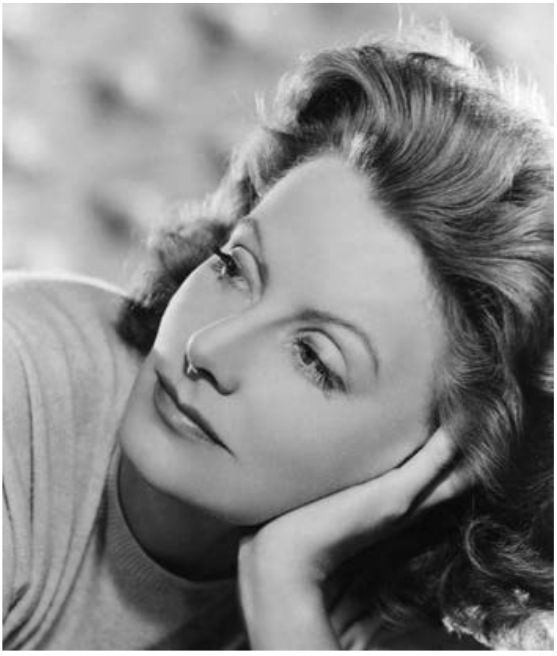
It was also often used in early film and photography, as exemplified directly below (Ibid).
Front lighting
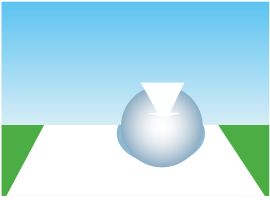
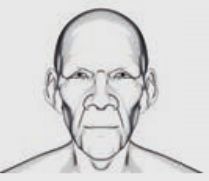
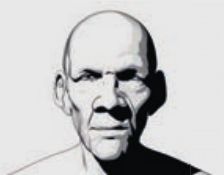
Front lighting is lighting that comes from the front of the subject of a scene, i.e. that comes from the back of the observer of a scene. Front lighting is useful for hiding detail and obfuscating visual form or texture in a scene (Yot 2020, 19). A lack of texture and visual form makes things look flatter or more two-dimensional than they are (Ibid). A drawback of this kind of lighting is it can lead to parts of the scene that are of interest being abnormally washed out (Ibid).

Side Lighting
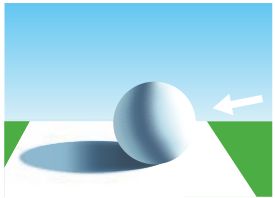
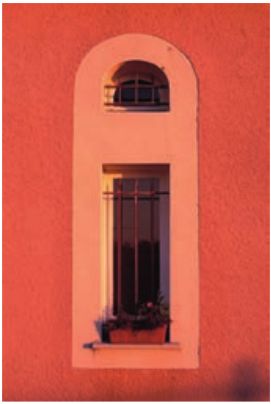
Side lighting is lighting that comes from the side upon the subject as well as the observer. It has the benefit of revealing otherwise imperceptible texture and visual form by increasing the prominence of shadows and thereby the contrast of the given scene (Yot 2020, 20). Generally speaking, this allows a scene to appear more three-dimensional as the light, aligned on a third axis relative to the subject of the scene, reveals the subject of the scene to have depth (Ibid). A drawback of this kind of lighting is that some areas of the scene can be lost in shadow, and that imperfections or blemishes in visual form may stand out more (Ibid).
Back Lighting
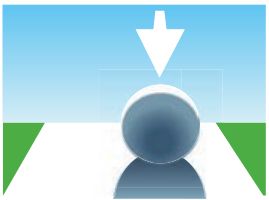
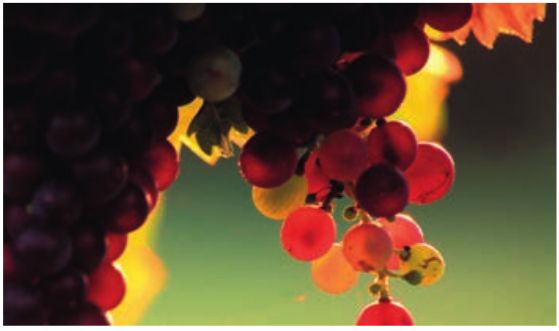
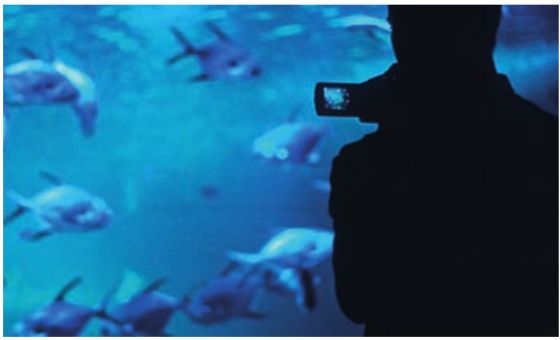
Back lighting is lighting (Yot 2020, 21):
From bib. source
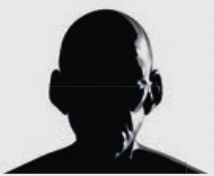
[…] where the viewer is looking into the light source, and objects will have their lit sides facing away from us, so that they are silhouetted or darkly lit by the fill light.
That is, it is lighting that comes from the front of an observer of a scene but from the back of the subject of the scene. The effect is something high contrast, like with side lighting (Yot 2020, 21). The difference with side lighting is that the shadows predominate the scene, while still allowing for form through the gradient of any fill light that bounces back onto the subject of the scene, i.e. bounce light, as well as rim light, i.e. light that defines the contour or edge of a shadow (Ibid).
Back lighting can help to bring attention to very specific parts of a scene. It can also reveal “transparency, translucency and any fine detail or texture along the rim-lit edges” (Ibid). A drawback is that negative and positive space become much more important to the effectiveness of the scene as most of the scene is concealed.
Top lighting
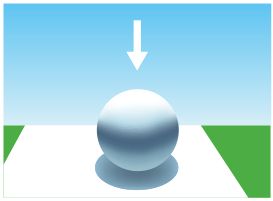
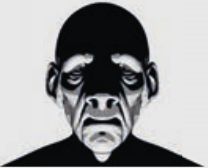
Top lighting is an unusual situation where the lighting is coming from above both the subject of a scene. It tends to be “common in overcast daylight” and “can also be encountered in sunshine at midday” (Yot 2020, 22). It has the effect of “casting dramatic shadows that conceal most of the forms beneath them” (Ibid). Top lighting can highlight structure and make use of shadows to convey depth, suggesting a deep uncertainty for what exists within those shadows.
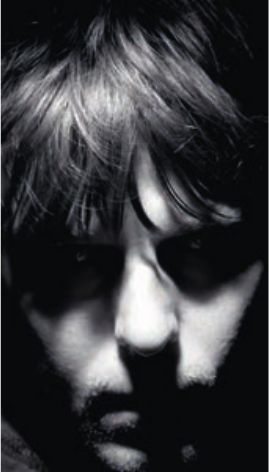
Bottom lighting
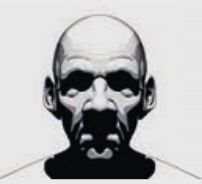
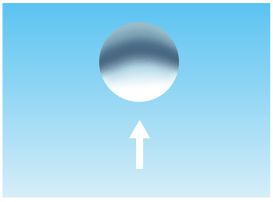
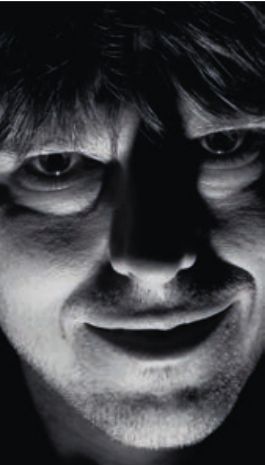
Bottom lighting is even more unusual lighting that comes from below the subject of a scene, though an exemplar situation in which this may occur is if one “were standing over a camp fire, or holding a torch” (Yot 2020, 22). It can also occur far more mildly through “reflected light” or bounce light “that can also come from below - from water, for instance” (Ibid).
fill_light back_lighting backlight front_lighting frontlight side_lighting sidelight lower_lighting lowlight higher_lighting headlight head_lighting rendering render visual_form dimensions dimensionality two-dimensionality three-dimensionality rim_light bounced_light reflection reflections reflectivity reflected_light highlight highlights
bibliography
- “Lighting Fundamentals.” In Light for Visual Artists: Understanding and Using Light in Art & Design, 2nd ed., 9–116. London, UK: Laurence King Publishing, 2020.